
Top Methods for Alloy Wheel Repair in White Rock and Langley - Essential Alloy Restoration Tips

When your alloy wheels get damaged, it’s more than just an eyesore. Scratches, bends, and corrosion can affect your vehicle’s performance and safety. I’ve seen many vehicle owners hesitate to fix their wheels, thinking it’s costly or complicated. But the truth is, alloy wheel repair is straightforward and affordable when you know the right methods. Today, I’ll share the top alloy restoration tips and repair techniques that work best in White Rock and Langley. These methods will help you restore your wheels to their original condition, save money, and keep your vehicle looking sharp.
Why Alloy Wheel Restoration Tips Matter
Alloy wheels are popular because they are lightweight, stylish, and improve vehicle handling. However, they are also prone to damage from potholes, curbs, and road salt. Ignoring minor damage can lead to bigger problems like cracks or structural failure. That’s why knowing how to restore your alloy wheels properly is crucial.
Here are some key reasons why alloy restoration tips matter:
Safety: Damaged wheels can cause vibrations or uneven tire wear.
Cost savings: Repairing wheels is cheaper than replacing them.
Appearance: Restored wheels boost your vehicle’s curb appeal.
Longevity: Proper care extends the life of your wheels.
By following the right repair methods, you can avoid costly replacements and keep your wheels in top shape.

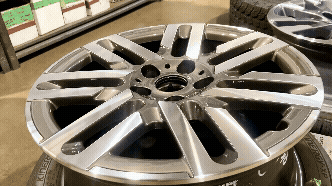
Carefully inspect your cleaned wheel for chips, curb rash and cracks.
Effective Alloy Restoration Tips for Langley Roads
White Rock's steep declines and potholes are a nightmare to drive around. On the other hand, Langley’s roads are a disaster with all the Sky Train construction down Fraser Highway. Everywhere you look there is road construction and road scarring, pot holes and surprise bumps that where not there before. These two areas represent a high risk environment for wheel health. If you live in these areas and suffered damage, here are some practical alloy restoration tips that I recommend for anyone dealing with wheel damage:
Clean the wheels thoroughly
Before any repair, clean your wheels with a mild detergent and water. Remove dirt, brake dust, and grease. This helps you see the damage clearly and ensures better adhesion for repair materials.
Assess the damage type
Identify if the damage is cosmetic (scratches, scuffs) or structural (bends, cracks). Cosmetic damage can often be fixed with sanding and repainting, while structural damage may require professional welding or replacement.
Use the right repair materials
For minor scratches, use a fine sandpaper (400-600 grit) to smooth the surface. Then apply a filler designed for alloy wheels to fill in deeper scratches or gouges. Finish with primer and paint that matches your wheel’s color.
Avoid DIY welding
Structural repairs like cracks or bends need expert attention. DIY welding can weaken the wheel further. Always consult a professional for these issues.
Protect your wheels after repair
Apply a clear coat or wheel sealant to protect the finish from corrosion and future damage. Regular cleaning and waxing also help maintain the restored look.
These tips are simple but effective. They can save you time and money while keeping your wheels safe and attractive.
How much should an alloy wheel repair cost?
Understanding the cost of alloy wheel repair helps you make informed decisions. Prices vary depending on the damage severity and repair method. Here’s a general breakdown:
Minor cosmetic repairs (scratches, curb rash): $225 - $350 per wheel
These repairs involve sanding, filling, and repainting. They are quick and affordable.
Moderate damage repairs (bent rims, deeper gouges): $250 - $400 per wheel
These require reshaping the wheel and more extensive refinishing.
Severe damage repairs (cracks, structural issues): $350 - $500+ per wheel
Welding and balancing are needed here. Sometimes replacement is more cost-effective.
Keep in mind that prices can vary based on the wheel size, finish type, and repair shop. It’s always best to get a detailed quote before proceeding.
If you want reliable and affordable service, consider trusted local experts who specialize in alloy wheel repair. They offer transparent pricing and quality workmanship.

Common Alloy Wheel Repair Methods Explained
Let’s dive into the most popular and effective alloy wheel repair methods you’ll encounter:
1. Wheel Refurbishment
This method involves restoring the wheel’s finish by sanding, filling, and repainting. It’s ideal for cosmetic damage like scratches and curb rash. The process includes:
Cleaning the wheel thoroughly
Sanding down damaged areas
Applying filler to dents or gouges
Priming and painting to match the original finish
Applying a clear coat for protection
Refurbishment is cost-effective and quick, and can be completed within a day.
2. Wheel Straightening
Bent wheels cause vibrations and uneven tire wear. Wheel straightening uses specialized machines to reshape the rim back to its original form. This method is:
Precise and safe
Suitable for minor to moderate bends
Less expensive than replacement
After straightening, the wheel is balanced to ensure smooth driving.
3. Welding and Crack Repair
Cracks in alloy wheels are serious and require professional welding. The process involves:
Cleaning and preparing the cracked area
Welding the crack with high-quality materials
Grinding and smoothing the weld
Repainting and finishing
This method restores structural integrity but must be done by experts to ensure safety.
4. Powder Coating
Powder coating is a durable finish applied after repairs. It offers:
Superior protection against corrosion
A wide range of color options
A smooth, long-lasting finish
Powder coating is often combined with refurbishment for a complete makeover.
By understanding these methods, you can choose the best repair option for your wheels.
Tips for Maintaining Your Alloy Wheels After Repair
Repairing your wheels is just the first step. Proper maintenance keeps them looking great and prevents future damage. Here are some tips I always recommend:
Regular cleaning: Use a gentle wheel cleaner and soft brush to remove brake dust and grime. Avoid harsh chemicals that can damage the finish.
Avoid potholes and curbs: Drive carefully to minimize impact damage.
Check tire pressure: Proper inflation reduces stress on wheels.
Apply wheel sealant: This adds a protective layer against dirt and corrosion.
Schedule periodic inspections: Catch minor damage early before it worsens.
Following these simple steps will extend the life of your alloy wheels and keep your vehicle safe on White Rock and Langley roads.
Finding Trusted Alloy Wheel Repair Services in Langley and White Rock
When it comes to repairing your alloy wheels, trust matters. You want a service that offers quality, affordability, and peace of mind. Look for these qualities in a repair shop:
Experienced technicians with specialized equipment
Transparent pricing and detailed quotes
Positive customer reviews and testimonials
Quick turnaround times
Warranty on repairs
If you’re searching for reliable service, check out alloy wheel repair providers who meet these standards. They can restore your wheels efficiently and affordably.
Restoring your alloy wheels doesn’t have to be a hassle or a big expense. With the right knowledge and trusted professionals, you can bring your wheels back to life. Use these alloy restoration tips to protect your investment, enhance your vehicle’s look, and enjoy safer driving on steep rough hills in White Rock and Langley's riddled roads. Don’t wait for damage to worsen - act now and keep your wheels in top condition.


Comments